





The Secret Behind Formal Letters In Devided Countries Of Indian Subcontinent. I beg to state" a well-known verse of a formal letter or application in..
The sad reality of unfair ruling in past. Additionally, the small but significant insulting points of popular aspect of life that many people don't notice.
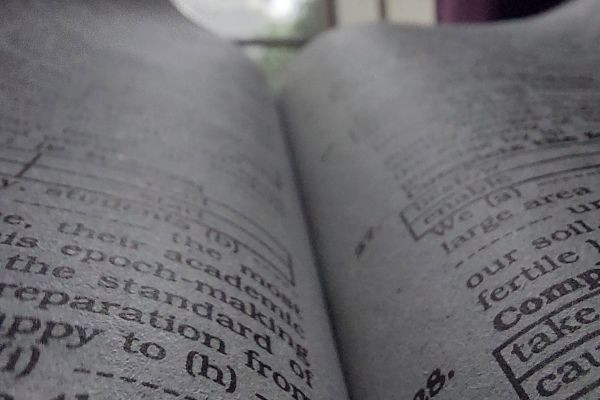
"I beg to state" a well-known verse of a formal letter or application in India , Pakistan, and Bangladesh. But to whom does it mean to beg ?In the 18th century, British colonials came to Indian Subcontinent with a view to establishing business as there were so many natural resources and industrious people . Slowly, instead of keeping a lowkey business profile, they started to occupy the higher positons and political perspectives. They were so much into claiming them lords that they also confined a definite rule for Indian subcontinental people.British Colonials thought Indian Subconitnental people are illiterate and are equal to lowkey animals.They always occupy the higher positions by appointing only britishes. Only a few Indian people could have higher education and jobs. Indian subconitnental people were deliberately made to become day labourers by the British Colonials , back tben. So, to praise themselves in all aspect of life, they defined the verse “I BEG TO STATE” in applications.
It means the writer is begging the sender for a purpose. As a result, whenever the Indian Subconitnental people send applications to the higher up (British Colonials) , they had to write about begging for acceptance. This verse is still seen in applications of modern Pakistan , India, and Bangladesh.There are so many referrable educational books that show the structure and rules of the formal letter, including this verse .But the newly released books are slowly eliminating it. Gadly , at present time , even the British and Americans themselves consider it informal and inappropriate in applications or formal letters.








1 Comments